 1
1
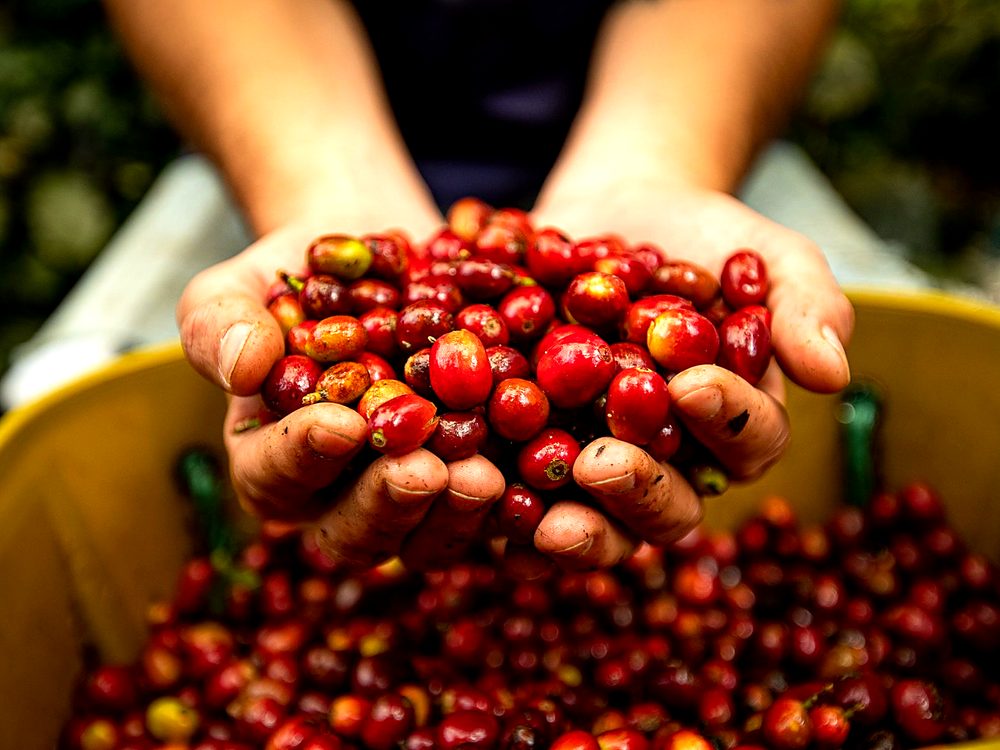
We pick bean by bean
No machine harvesting. Our pickers go over the same plant several times and take only the beans that are already red and ripe. It is slower, but it is the only way the cup comes out even.
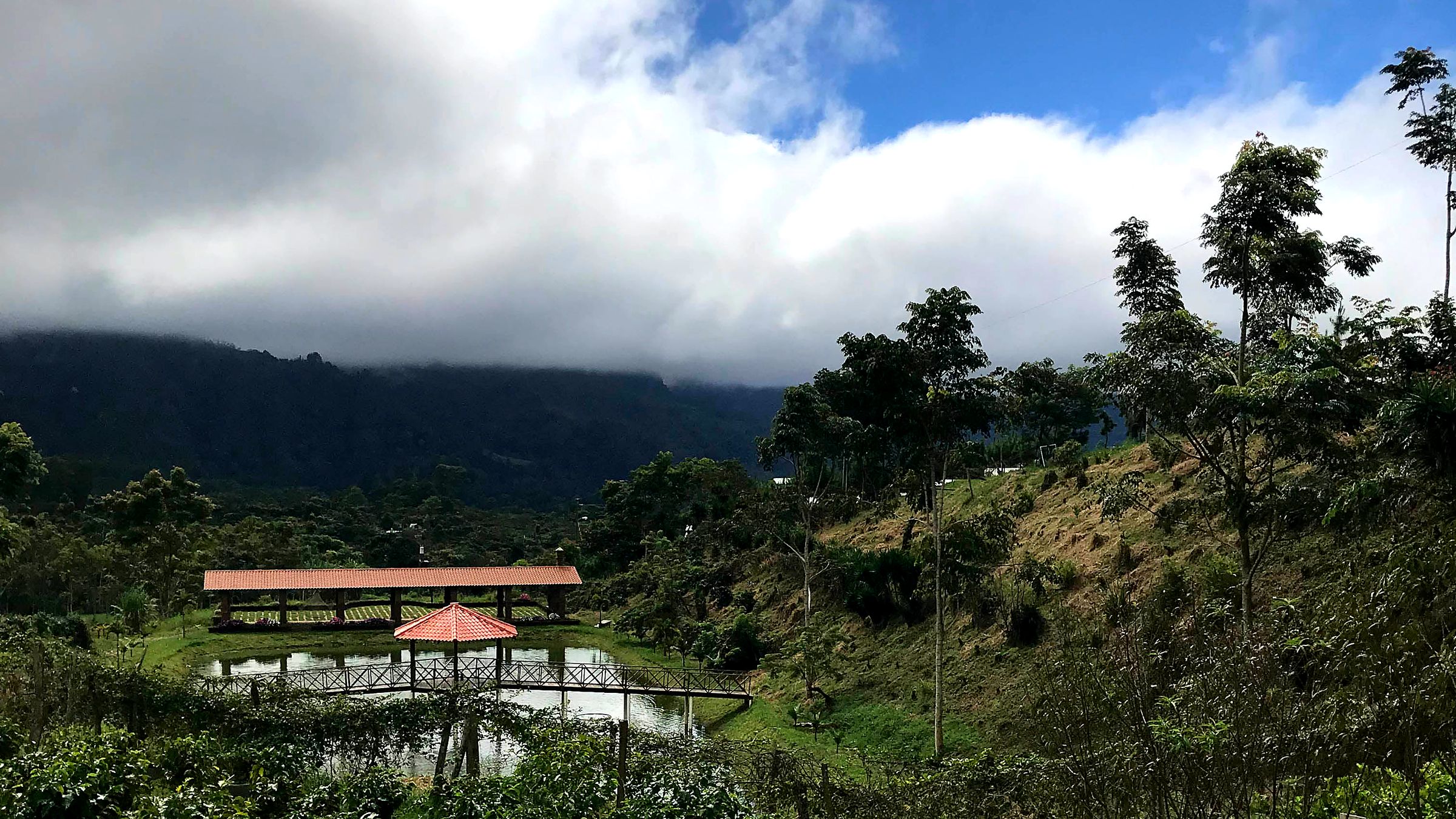
Specialty coffee and pure honey, hand-harvested above 1,350 metres (4,430 ft) in Aldea Capucas, Copán. One hundred percent organic. One hundred percent Honduran.
In Aldea Capucas, in the mountain heart of San Pedro Copán, the ground still smells of fresh-picked coffee and early-morning firewood. That is where Finca Los Popitos stands.
Our story did not begin in an office. It began in the furrow, with hands that learned from their parents how to read the sky, how to know when the bean has reached its exact point of sweetness and when the hive is ready to share its honey. We are a Honduran family that chose to do things properly, even when that costs more and takes longer.
That is why we use no chemicals. We grow under the shade of timber trees that protect the soil, hold the water and give a home to the birds and to our bees. We harvest bean by bean, by hand, and dry in the Copán sun. Every pound of coffee and every bottle of honey that leaves this farm carries the name of our community, and we guard that the way you guard your own.
When you open a bag of Zompopero, you are not just opening a product. You are opening a piece of our mountain.
“What the land gives with patience, we hand over with pride.”
— The Los Popitos family, Capucas, Copán
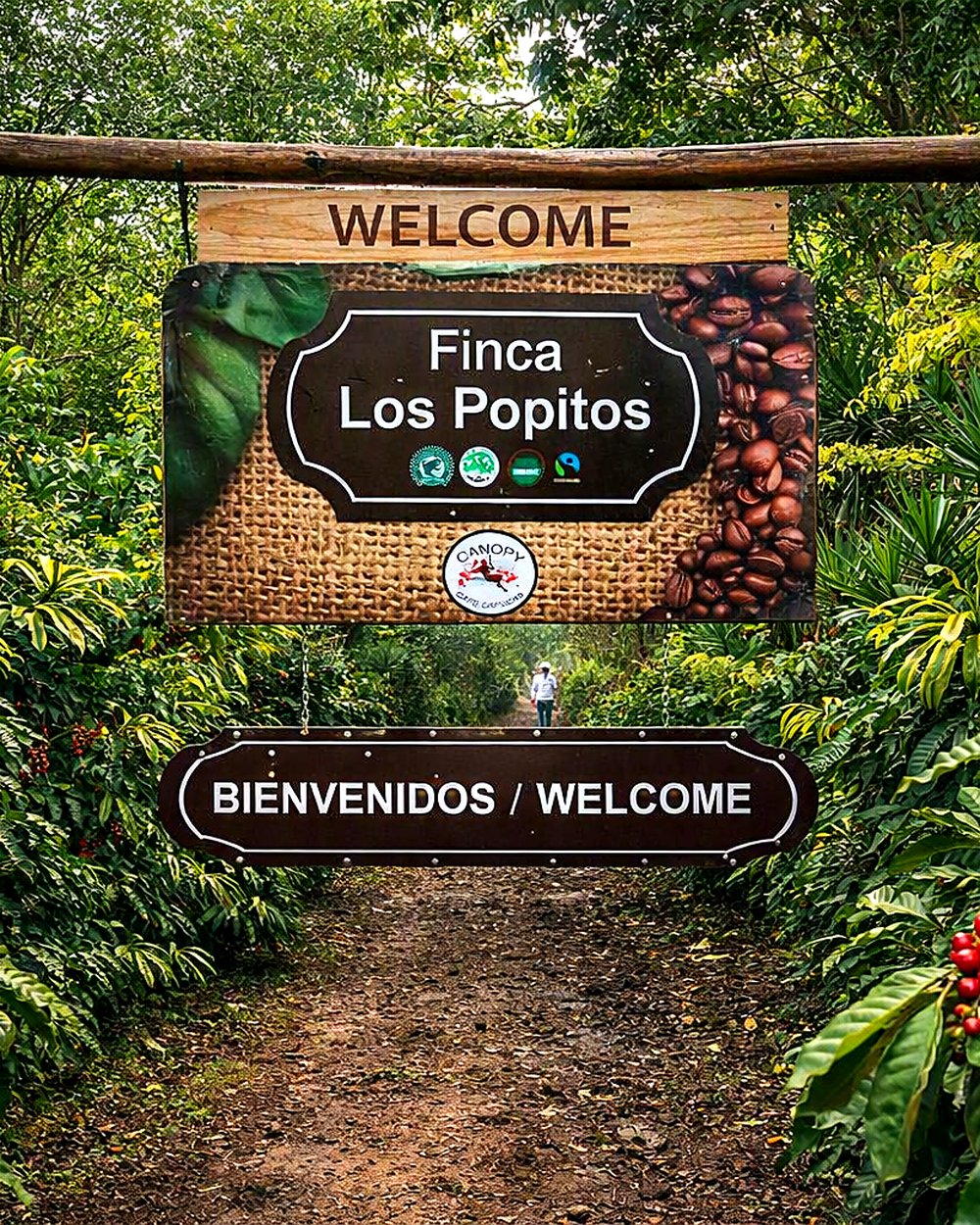
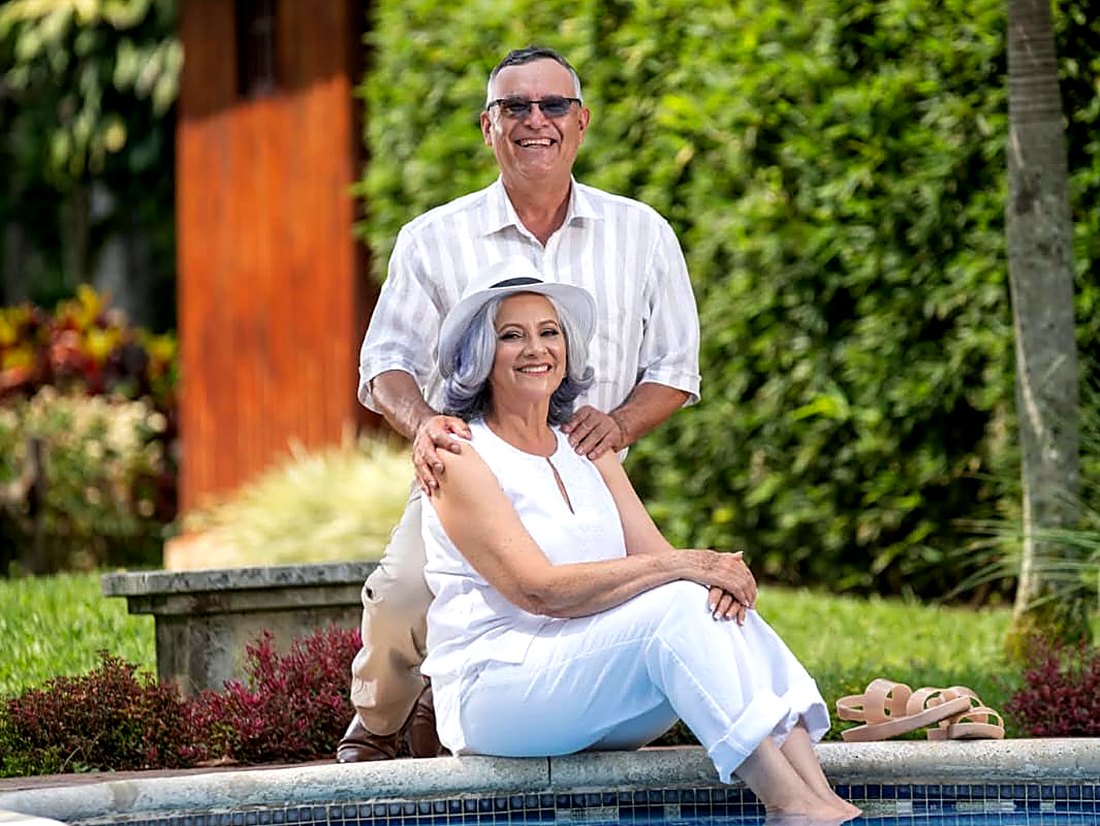
Finca Los Popitos is not a brand born in an office. It is the name of a real farm, and that farm has owners you can look up, greet and visit.
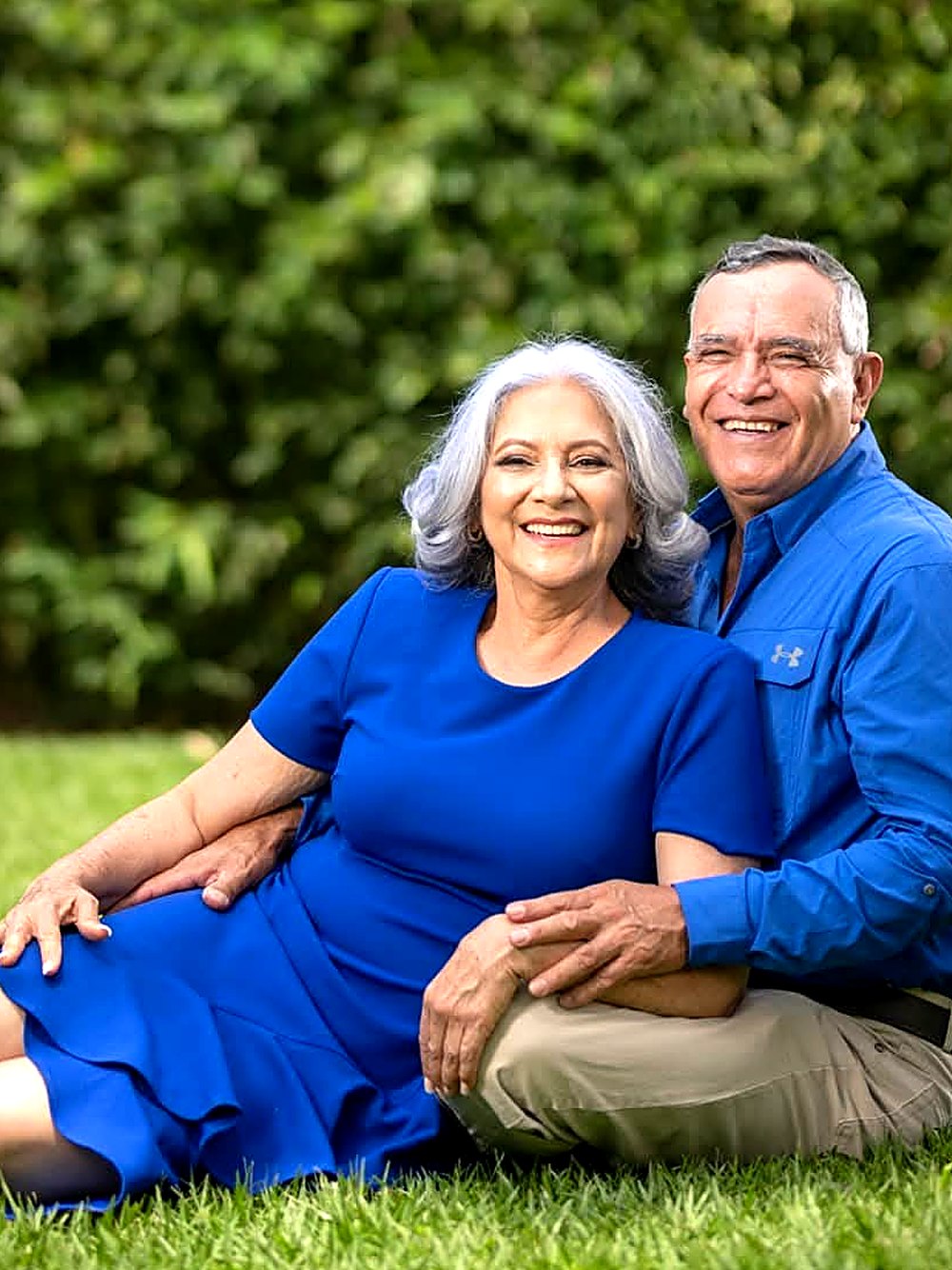
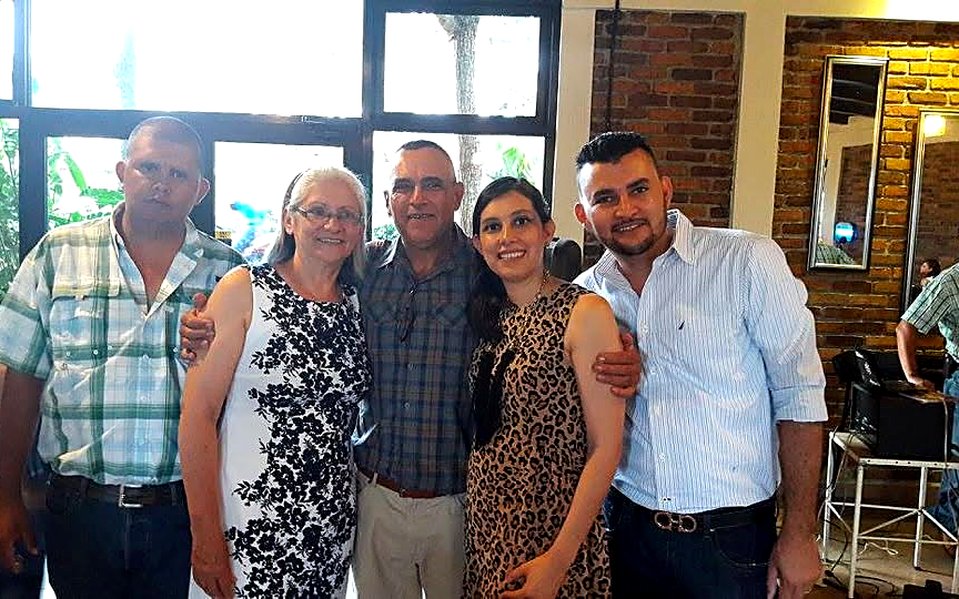
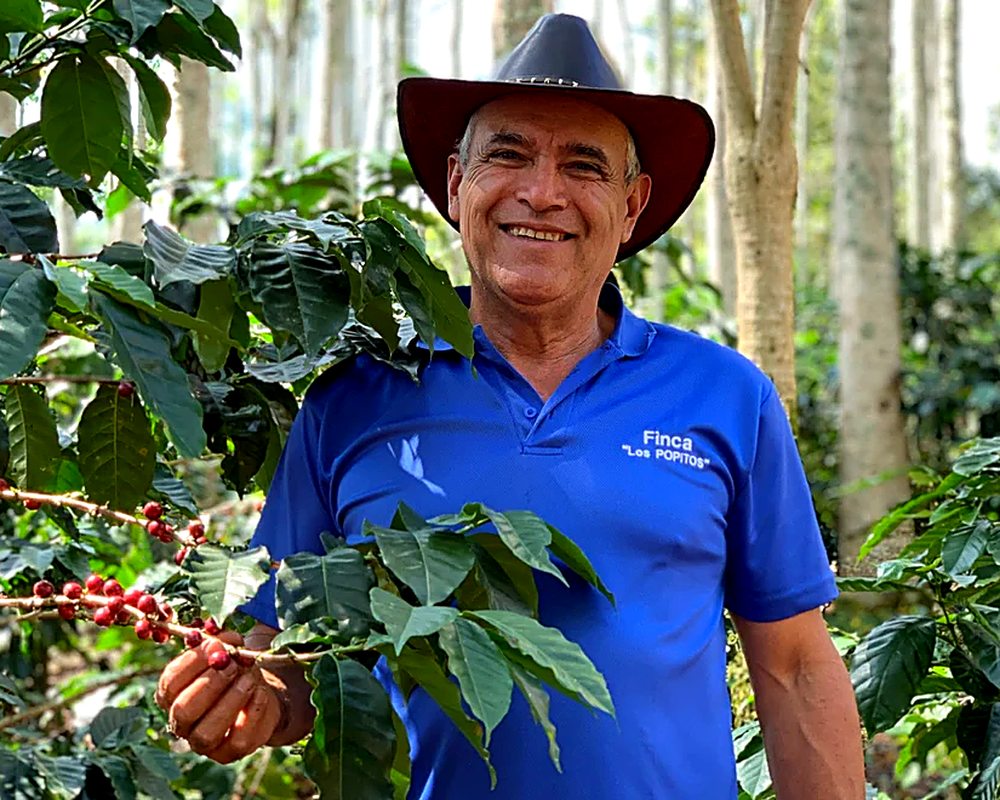
A Don Pedro is out among the plants, hat on, checking how ripe the beans are. Together with Doña Norma he runs the farm from Aldea Capucas, and between them they hold up everything behind a bag of Zompopero: the planting, the picking, the drying, the packing and the word given to every customer.
They work alongside their family. So when you read further down that local people do this work, it is not a marketing line: it is them, on their own land.
This is how every bag of Zompopero Coffee comes to be. We could produce faster and cheaper. We choose not to.
1
No machine harvesting. Our pickers go over the same plant several times and take only the beans that are already red and ripe. It is slower, but it is the only way the cup comes out even.
 2
2
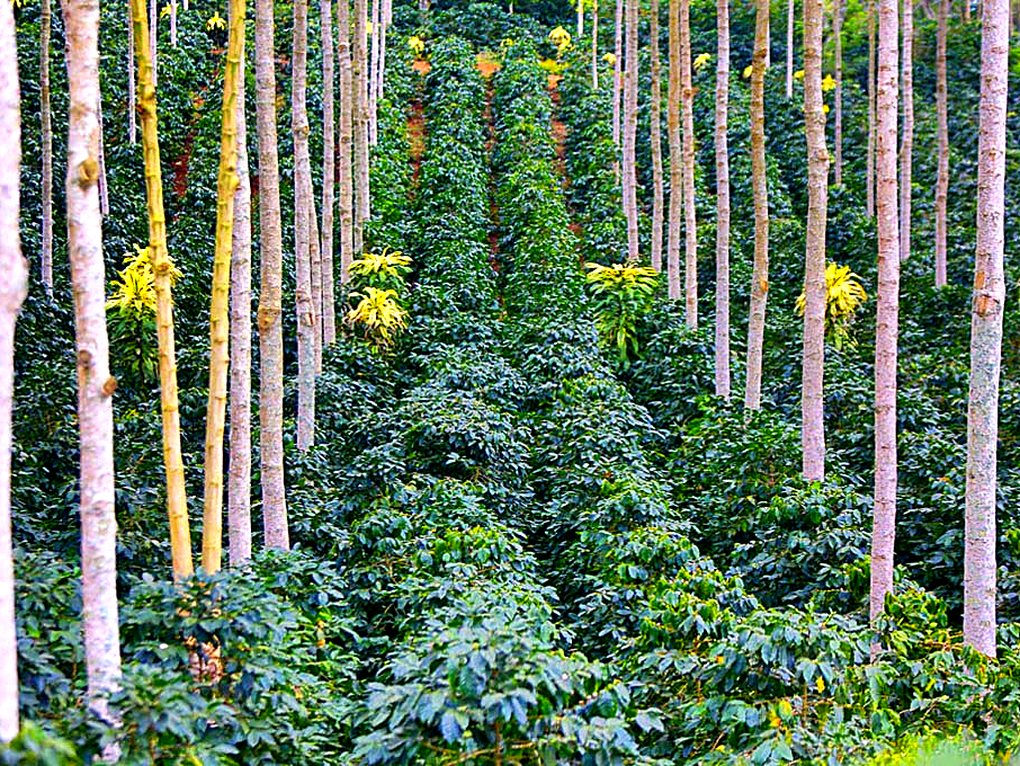
We plant our coffee among timber trees. That shade lowers the temperature, holds moisture in the soil and makes the bean ripen slowly. The forest does the work others ask of agrochemicals.
 3
3
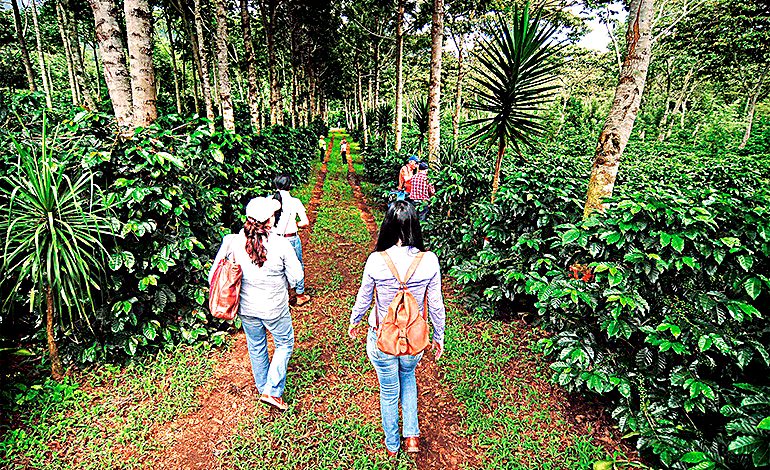
Every stage is done by hands from Aldea Capucas: the planting, the picking, the sun drying, the packing. We do not outsource our mountain, which is why we can answer for what goes inside every bag.
 4
4
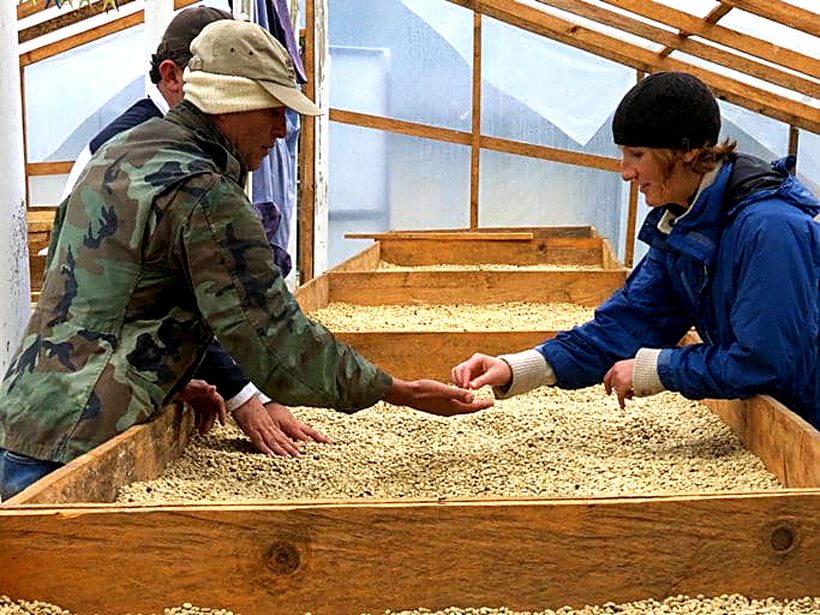
After washing, the beans are spread on raised beds and turned by hand several times a day until they reach exactly the right moisture. A rushed machine dry ruins in hours what the mountain took months to build.
 5
5
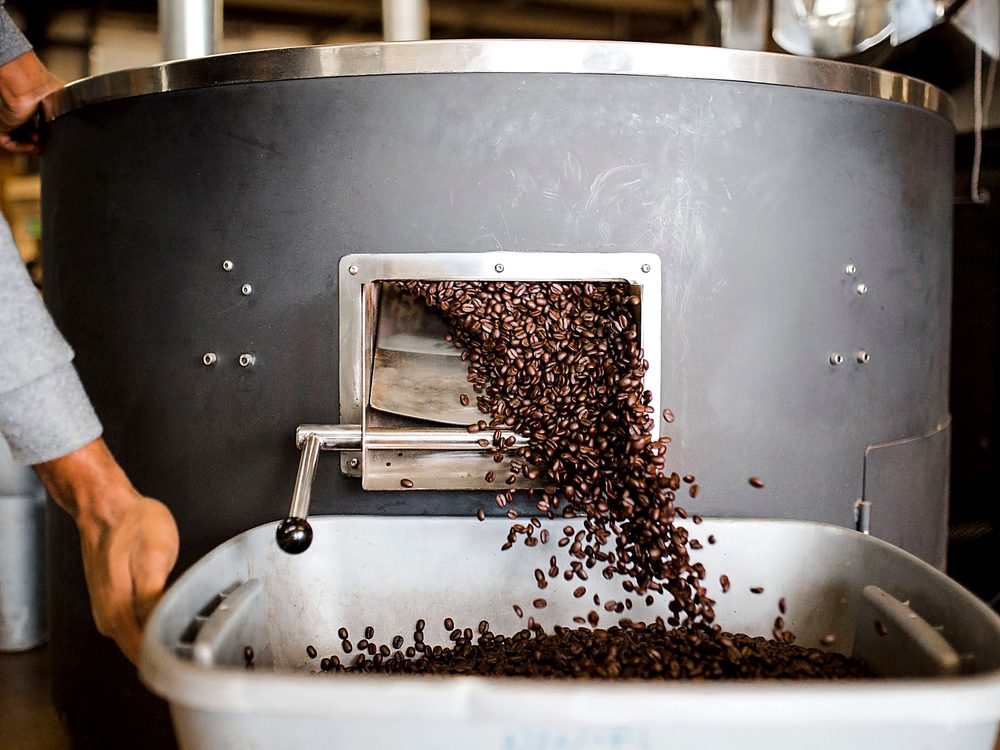
A dark roast is the best disguise for mediocre coffee: it burns the bean and everything ends up tasting the same. We stop at the middle point, where you can still tell the chocolate and the nuts the mountain gave it.
 6
6
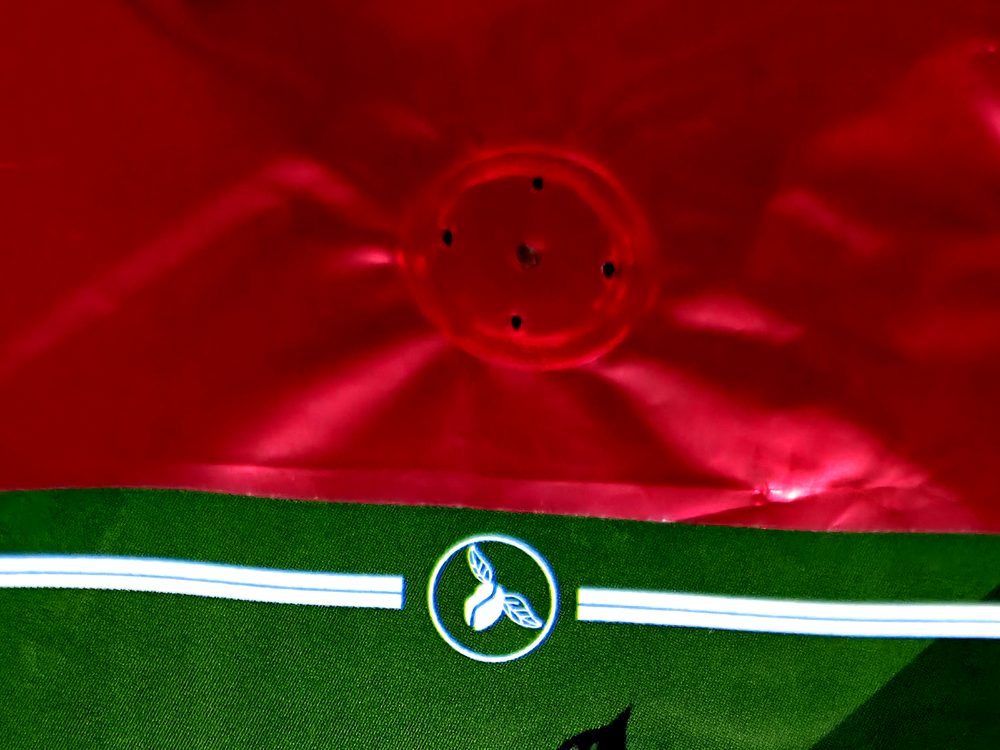
Freshly roasted coffee keeps releasing gas for days. That button on the bag lets it out without letting air in, which is why the aroma that hits you when you open it is the same one that came off the roaster.
We work directly with Mayorga Coffee, a US roaster with years of experience in Latin American organic coffee. Their way of working is to buy straight from the producer — small or large — and to pay for quality, with no middlemen keeping the grower’s margin.
Coffee from Capucas is in their catalogue under the name Honduras Capucas, USDA certified organic and specialty grade. You can see it and read their customer reviews on their official page.
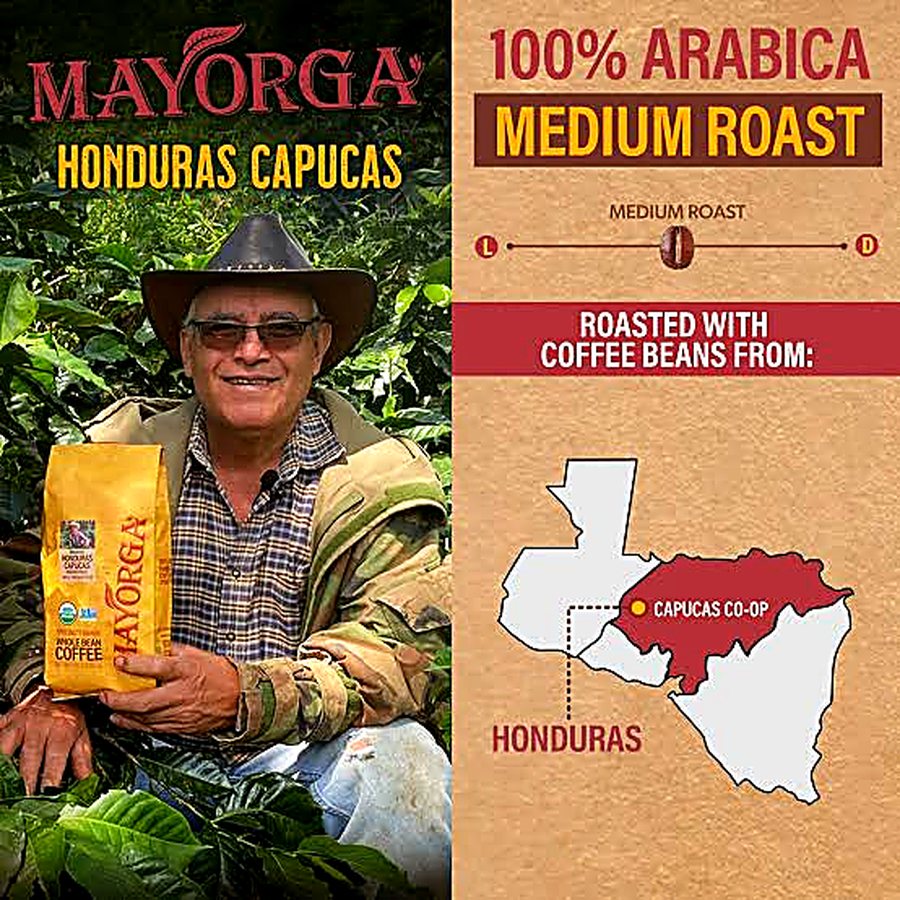
Image: Mayorga Coffee. Trademarks and photography are the property of Mayorga Coffee.
The altitude, the shade of the timber trees, the hand picking, the Copán sun and the exact roast point. All of that is what you will open in your kitchen.
The coffee that wakes up your mornings and the honey that sweetens your home. Both are born on the same land, with the same care and the same promise: genuinely pure.
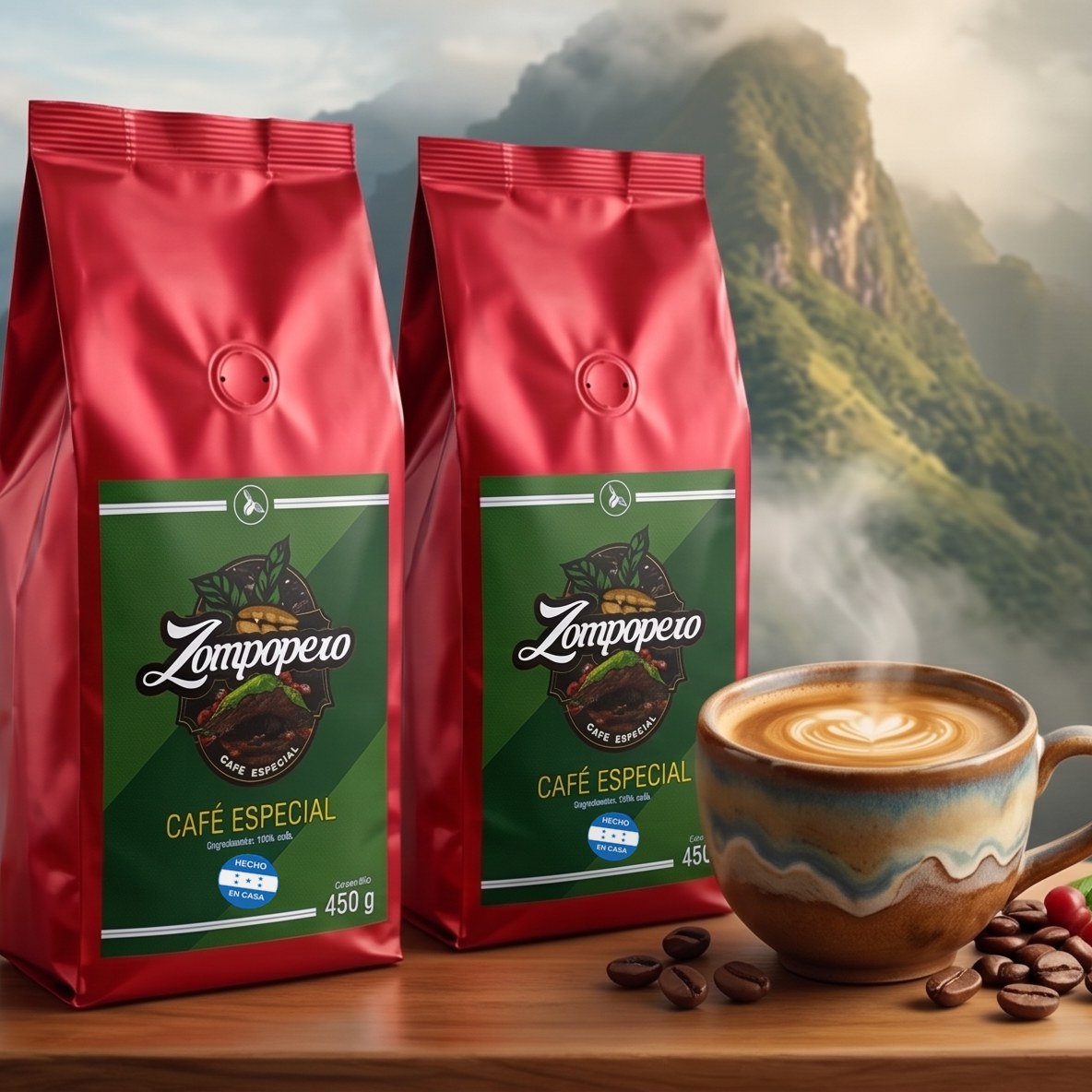
Our coffee grows slowly. Above 1,350 metres, among mist and tree shade, the bean ripens unhurried and concentrates everything you will later taste in the cup. The Icatú y Obata varieties, picked by hand one by one, only when the bean is red and at its peak.
We wash it, dry it in the Copán sun and roast it medium, looking for balance: neither burnt nor timid. The result is an aroma that fills the kitchen the moment you open the bag, a round body and a clean finish that stays with you for a while.
Ask us about whole-bean or ground availability and wholesale pricing.
Our honey contains nothing but honey. No water, no sugar, no syrups, no preservatives. One single ingredient: 100% bee honey. That simple, and that hard to find today.
Our hives live among the blossoms of the coffee grove and the Capucas forest, and you can taste it: the flavour shifts with each season’s bloom, because this is a living product. We harvest by hand, respecting the hive’s own pace, and cold-filter it so it keeps every one of its natural properties.
If your honey crystallises over time, be glad: that is proof it is pure and natural. Just warm it gently in a water bath and it goes back to liquid.
Store in a cool place. Health Registry HN-A-0821-0285.
We are not a big brand. We are a Honduran farm that does little, but does it well.
No pesticides, no synthetic fertilisers, no added sugars or preservatives. What you read on the label is exactly what you take home.
Growing under timber-tree shade that protects the soil, looks after the water and shelters the bees and the wildlife of Capucas.
Every order is decent work for families in Aldea Capucas. You buy straight from the grower, with no middlemen taking the mountain’s value.
We know which plot your coffee grew on and which hive your honey came from. Current health registry and an identified batch on every package.
Six international certifications audit how our coffee is grown, the conditions of the people who harvest it and what is protected around the farm.


Recognised in the United States, the European Union and Japan. Three markets, no re-certification.
A guaranteed minimum price and decent conditions for the families who harvest.
Farming that looks after the forest, the soil and the water across the whole farm.
Shade-grown coffee that keeps shelter for migratory birds. It requires organic status first.
Six current certifications covering our coffee. Fair Trade, USDA Organic, Rainforest Alliance and Bird Friendly are held in the name of Finca Los Popitos; the Japanese (JAS) and European Union organic seals were obtained through the Capucas Cooperative, of which we are members. All are registered trademarks of their respective certifying organisations.
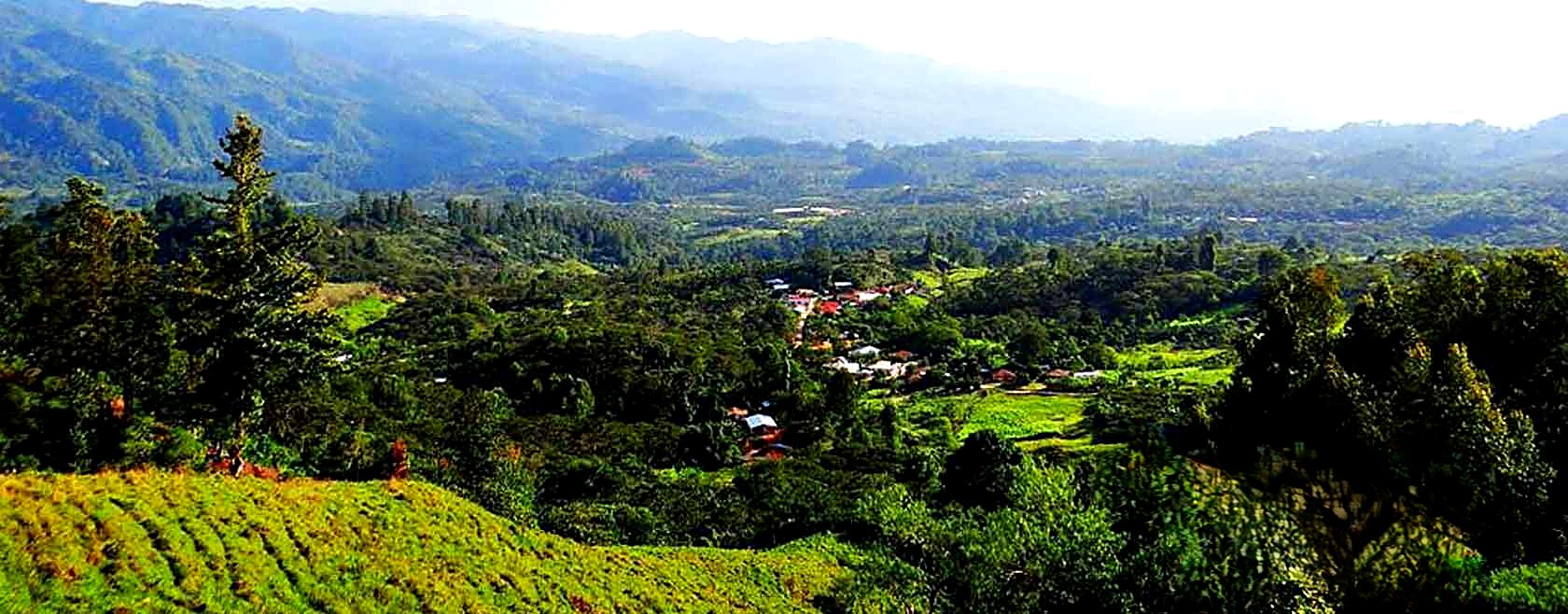
One thousand three hundred and fifty metres up, mist almost every morning and a community that has lived off coffee for generations. Everything you taste comes from here.
I want to try itIf your question is not here, message us on WhatsApp and we will answer in person.
Quite the opposite: it is the best sign that it is pure honey. Crystallisation is a natural physical property of the sugars that come from flower nectar, and it appears depending on the weather and on temperature drops during storage.
Your honey has lost no quality at all. Just warm it gently in a water bath and it turns liquid again. Honeys that never crystallise are usually the ones with additives.
Three things, and all three take work. The first is altitude: above 1,350 metres the bean ripens slowly and concentrates more sugars. The second is selective picking, one by one and only once the bean is red, instead of stripping the whole branch and mixing unripe with overripe. The third is the roast: we use a medium roast so bitterness does not cover the chocolate and nut notes the farm already gave it.
Our bag has a degassing valve, that round button you see at the top. It lets the natural gas of freshly roasted coffee escape without letting air in, so as long as the bag stays closed the coffee holds up.
Once opened, seal it well and keep it somewhere cool, dry and out of the sun. Do not put it in the fridge: moisture and food smells are coffee’s worst enemies. If you buy whole bean, grind only what you are about to brew.
Yes. We supply shops, corner stores, cafés and distributors. Message us on WhatsApp or fill in the form choosing “Distributor / wholesale” and we will send you the price list.
The wholesale minimum order is 100 pounds, and from 1,000 pounds upwards we apply a volume discount.
Yes. We ship anywhere in Honduras and abroad as well.
Within Honduras shipping is free from 50 pounds of coffee or 50 bottles of honey. Below that we work out the cost based on the destination.
We deliver in person when the destination allows it, and otherwise by courier with whichever carrier works best for your area.
Outside Honduras? Message us and we will quote you based on country and quantity.
Cash, deposit, bank transfer and pre-verified cheque.
We bank with Banco de Occidente, BAC and Banco Atlántida. When you confirm your order we send you the details for whichever account you prefer over WhatsApp.
We can write that there is mist almost every morning and that the grove grows under shade. But it is easier if you just see it.
Forty-five seconds through Aldea Capucas: the hills, the green and the road you have to climb to get here. This is where Zompopero Coffee and Honey are born.
Tap to play. Turn the volume up: you can hear the forest.
Message us and we will confirm availability, pricing and how we can ship it. We take personal orders as well as shops, cafés and distributors anywhere in Honduras.
We reply within 24 hours.